Where gardens whisper stories of timeless elegance
Suzhou, a city of over 2,500 years, is renowned as China's garden capital. Its classical gardens, UNESCO World Heritage sites, represent the pinnacle of Chinese landscape design, where every rock, pond, and pavilion was placed with poetic intention.
The city's canals and bridges have earned it comparisons to Venice. Historic Pingjiang Road and Shantang Street offer glimpses of old Suzhou, where whitewashed walls and gray tiles line waterways that once carried silk merchants and scholars.
Known as the "Paradise on Earth," Suzhou has inspired generations of artists and writers. Its silk embroidery, Kunqu opera, and refined cuisine reflect a culture that prizes elegance, subtlety, and the beauty found in carefully crafted details.
514 BC Founded
UNESCO heritage sites of refined beauty
Historic waterways through ancient quarters
World-famous embroidery and silk production
Origin of elegant Chinese opera tradition
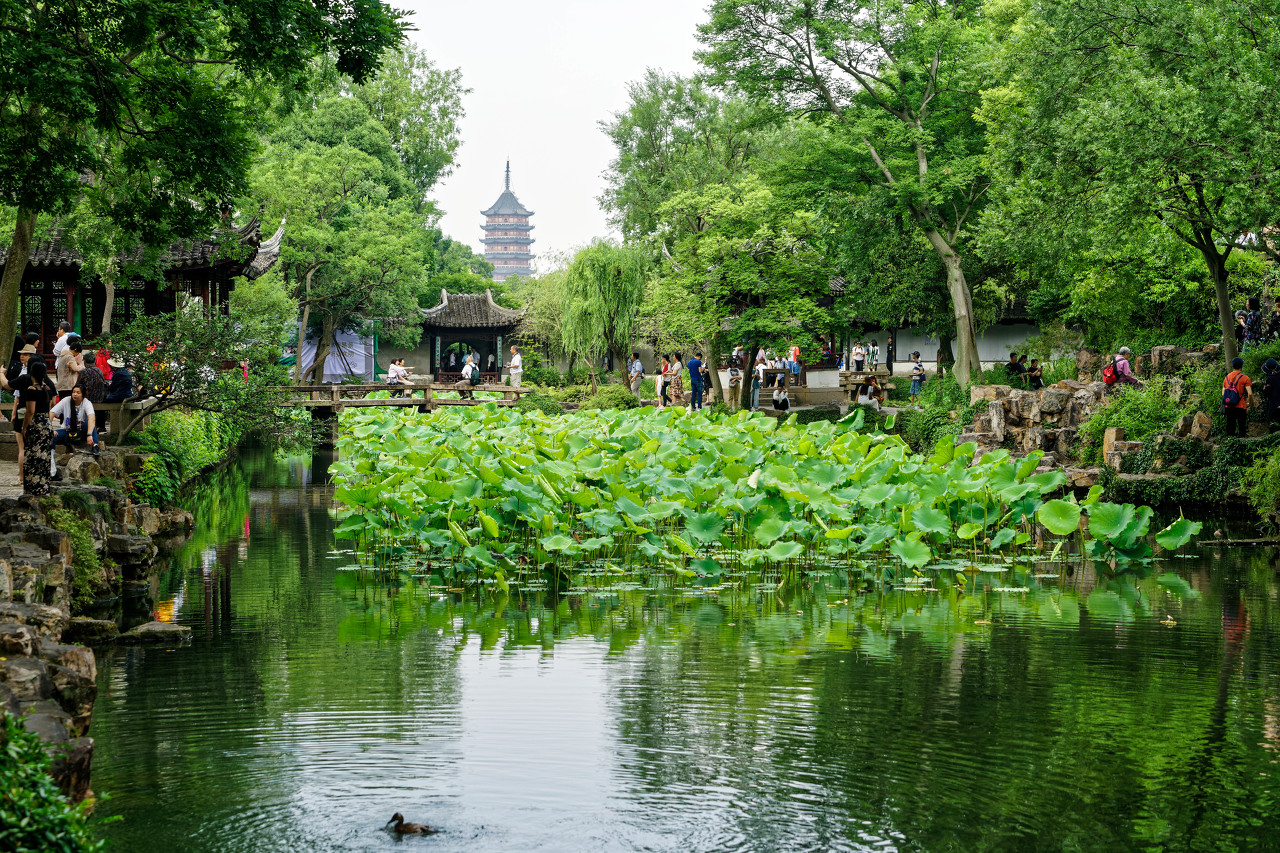
The largest and most renowned classical garden in Suzhou, featuring ponds, pavilions, and carefully arranged rocks that create changing vistas with each step. A masterpiece of Ming Dynasty landscape design.
Famous for its exquisite arrangement of space, this garden divides into four themed sections: central pond, eastern architecture, western hills, and northern countryside. Each area offers distinct atmosphere and composition.
Designed by architect I.M. Pei, this modern museum blends traditional Suzhou aesthetics with contemporary design. Houses ancient ceramics, paintings, and crafts in spaces that echo garden courtyards.
A historic street along an ancient canal, lined with traditional houses, teahouses, and boutiques. The stone bridges and whitewashed walls create scenes unchanged for centuries. Perfect for evening strolls.
Suzhou's most famous hill, topped by the leaning Cloud Rock Pagoda. Contains ancient springs, rock formations, and the tomb of King He Lu. Poets have celebrated its beauty for over a thousand years.
A seven-li historic street connecting Tiger Hill to the city center, lined with old shops, restaurants, and traditional architecture. Boat rides along the canal reveal Suzhou's timeless charm.
Suzhou cuisine, a cornerstone of Jiangsu culinary tradition, emphasizes freshness, natural flavors, and artistic presentation. Dishes often feature river ingredients like fish and shrimp, prepared with techniques that preserve delicate textures.
The city's sweets are legendary. Suzhou-style pastries, mooncakes, and candies reflect the same refined aesthetic found in its gardens. Sweetness is balanced with subtlety, never overwhelming but always lingering pleasantly.
Suzhou's cuisine mirrors its culture: elegant, refined, and deeply rooted in tradition. Every dish, from simple noodles to elaborate banquet courses, carries centuries of careful development and regional pride.
Eat in Suzhou
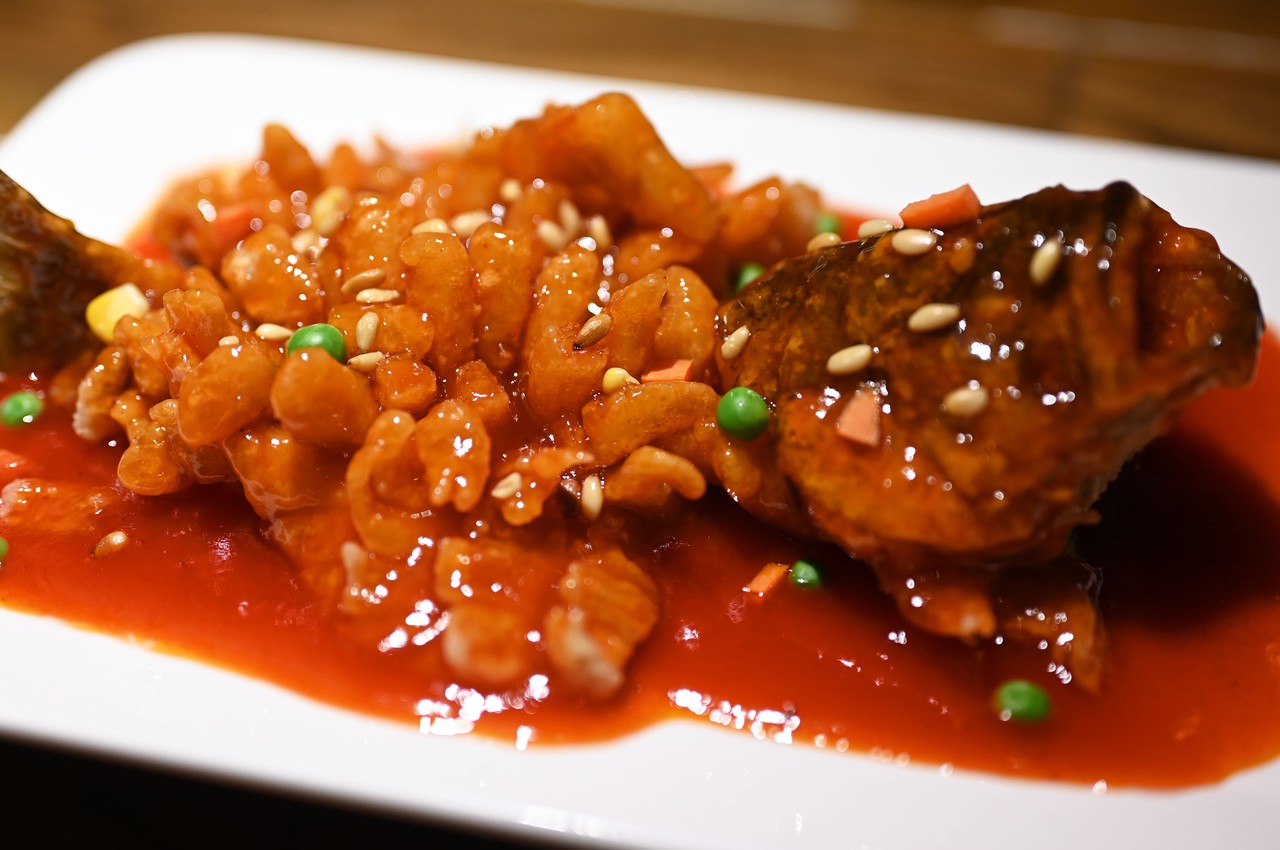
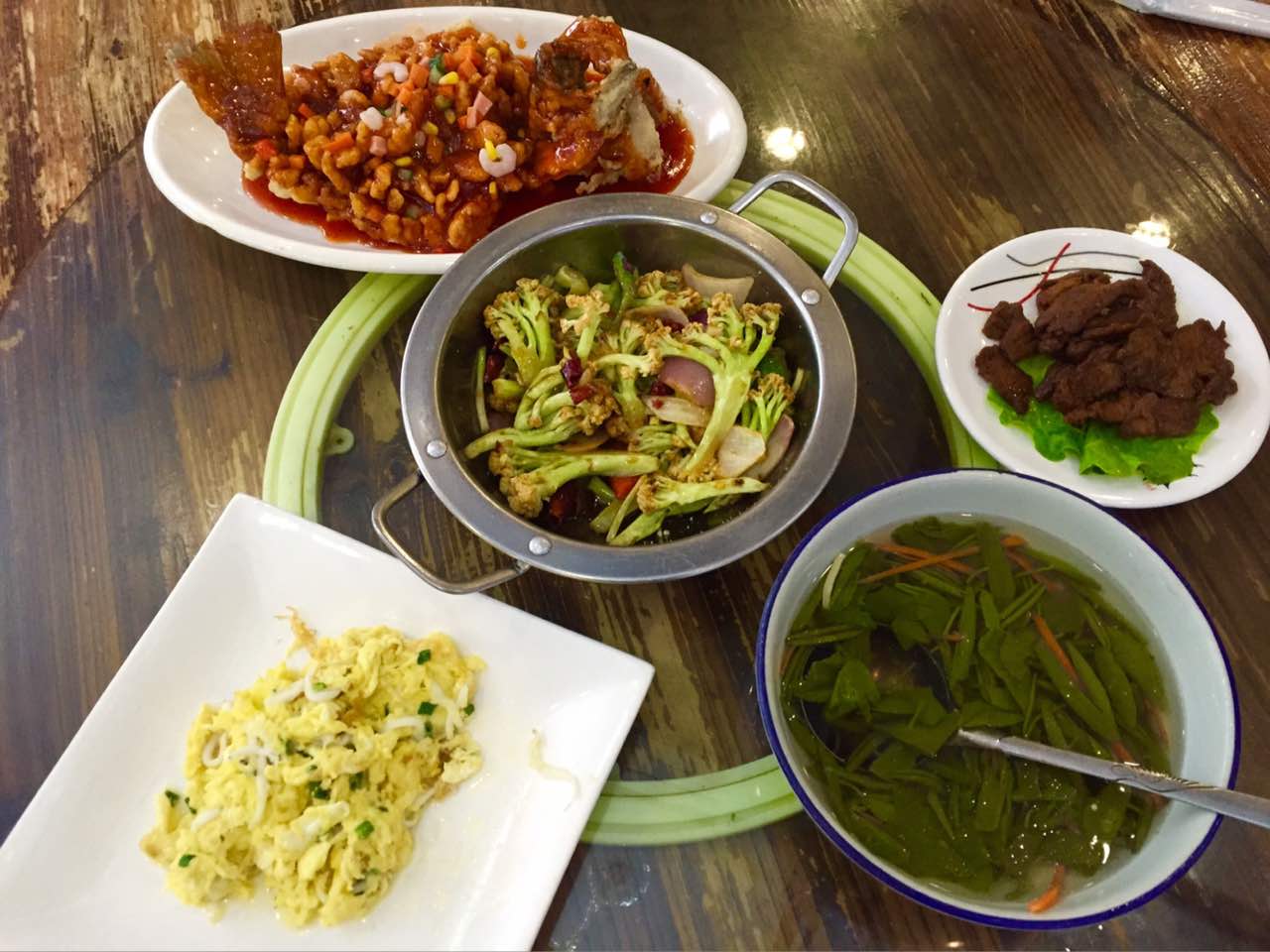
Mandarin fish scored and fried to resemble a squirrel, served with sweet-sour sauce. A showpiece of Suzhou culinary artistry.
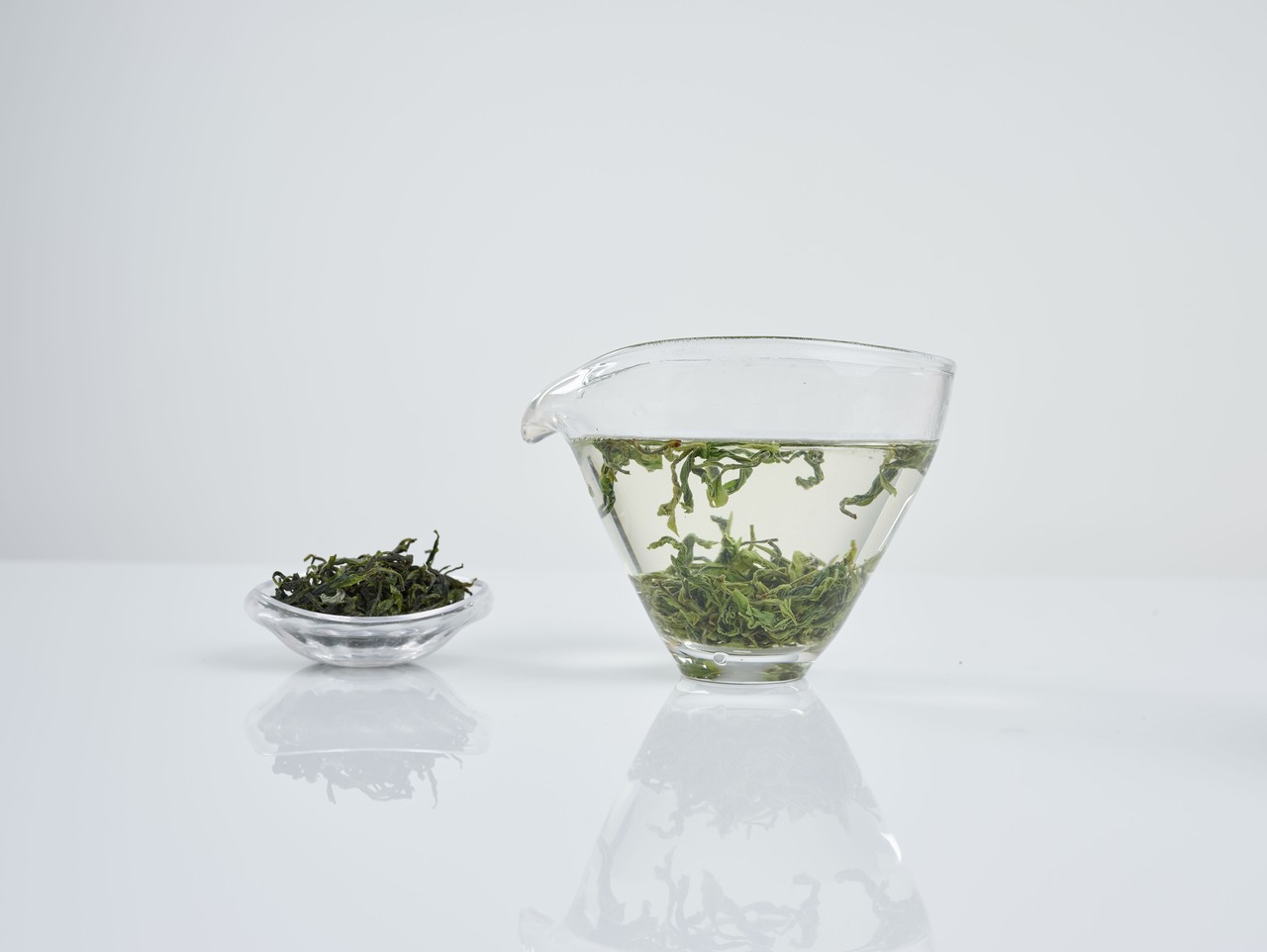
One of China's ten famous teas, grown on Dongting Mountain. Tender leaves create a delicate green brew with floral undertones.
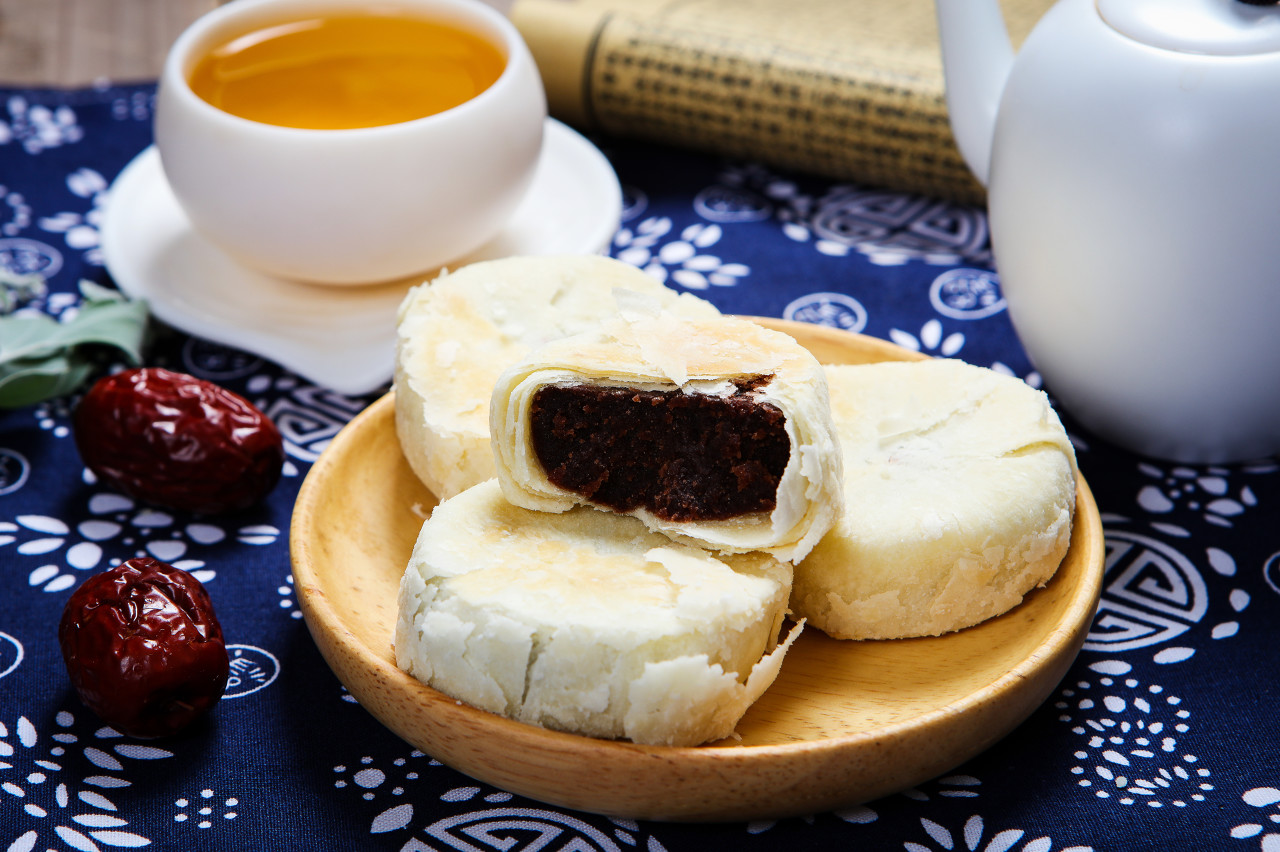
Layered pastry with sweet or savory fillings, thinner and crispier than other styles. Meat-filled version is especially beloved.
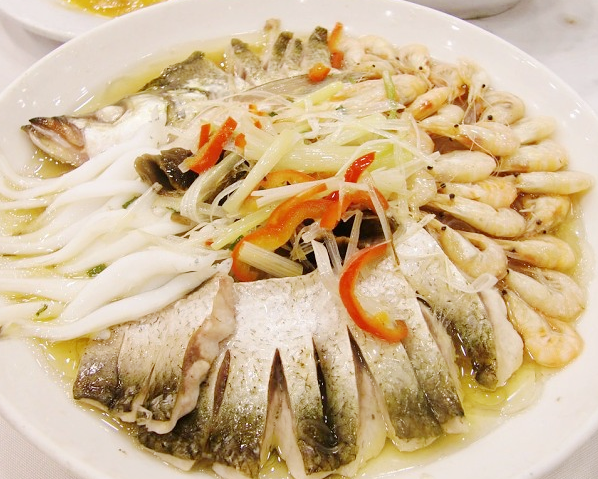
White fish, white shrimp, and silver fish from Tai Lake, prepared simply to highlight pristine freshness and subtle flavors.
Traditional snacks and sweets along the historic canal. Try Suzhou-style noodles, sweet green tea cakes, and delicate pastries in teahouses overlooking the water.
Historic street famous for traditional Suzhou cuisine, from squirrel-shaped fish to sweet treats. Canal-side restaurants offer dining with timeless atmosphere.
Modern pedestrian street with traditional and contemporary dining. Historic restaurants serving classic dishes alongside trendy cafes and international cuisine.